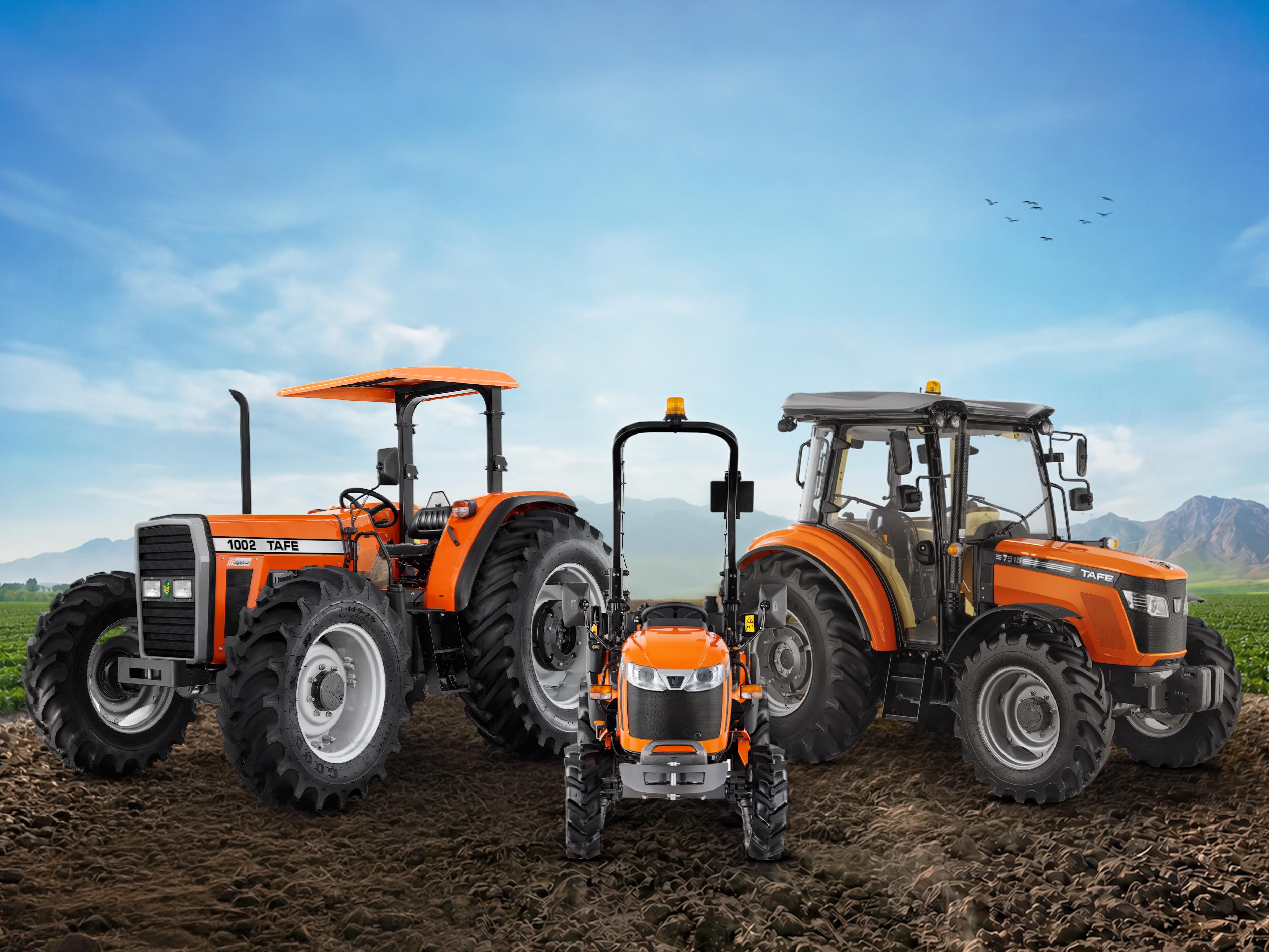
Tractor on its own is an impressive piece of engineering, but when paired with the right implement, it transforms into a powerful machine capable of delivering exceptional productivity across every farming operation.
Whether you’re managing a tight vineyard, sprawling grain fields, or a family farm, your attachments are what actually turn your tractor into a multi-purpose powerhouse.
What are Tractor Attachments and Why They Matter
What are Tractor Attachments in Farming?
Simply put, tractor attachments are specialized tools designed to perform specific agricultural tasks. They connect to your tractor via the three-point hitch, the Power Take-Off (PTO) shaft, or a front-end loader mount. From simple blades that move dirt to complex seeders that use GPS, these tools allow one machine to do the work of fifty people.
How Attachments Improve Farm Efficiency
Efficiency is the name of the game in modern farming. Instead of spending three days manually weeding or hauling hay by hand in the heat, the right attachment lets you finish those chores in a few hours.
This also saves on fuel and labour costs. When you can switch from tilling to lifting in minutes, your tractor becomes a year-round asset rather than a seasonal tool.
Why Choosing the Right Attachment is Important
Bigger isn't always better.
If an attachment is too heavy for your tractor’s lift capacity or requires more PTO horsepower than your engine can give, you’re looking at a broken machine and a wasted investment. The right choice balances your tractor's capability with the specific needs of your soil and terrain.
Essential Tractor Attachments for Every Farm
Loader, Tiller, and Plow Attachments
If you’re starting from scratch, these are your "Big Three".
- A front-end loader is basically a tractor's arms, as you’ll use it for moving mulch, gravel, or feed.
- A rotary tiller is essential for breaking up soil and preparing seedbeds.
- A classic plough remains the gold standard for turning over tough sod and managing crop residue.
Landscape Rake for a Tractor for Levelling Work
A landscape rake is one of those tools you don't think you need until you have one. It’s perfect for clearing rocks, levelling out gravel driveways, or spreading topsoil. If you’re managing a farm in a region with rocky soil, a rake will save your other implements from getting damaged by hidden stones.
Pallet Forks for a Tractor for Lifting Tasks
Adding pallet forks for tractor work is probably the single best upgrade you can make. Suddenly, those heavy seed bags, crates of fruit, or stacks of lumber aren't a problem anymore. Instead of unloading a truck by hand, you just slide the forks under the pallet and go.
Best Tractor Attachments for Different Farm Tasks
Soil Preparation and Land Management
For getting the soil ready, you want a combination of a disc harrow and a tiller. If you’re dealing with compacted soil, a subsoiler can help break up the hard layer deep underground, allowing roots to grow deeper and water to drain better.
Material Handling and Transport
For smaller operations, a rear-mounted transport box or a sturdy utility trailer allows you to move tools and supplies across the farm without a second vehicle. Bale spears are also a must-have if you’re dealing with livestock and need to move round or square bales daily.
Crop Care and Maintenance Tools
Once the seeds are in the ground, boom sprayers help with liquid fertilization or pest control, while a rotary cutter (or "bush hog") is essential for keeping pastures from being overtaken by weeds.
How to Choose the Right Tractor Attachments
Matching Attachments with Tractor Power
Always check your tractor's manual for its "PTO Horsepower" and "Lift Capacity," these are among the key 4WD tractor features you should check before buying, since a tiller fitting your hitch doesn't guarantee your engine can turn it through heavy mud. Pushing a tractor beyond its limit leads to transmission heat and engine wear.
Compatibility and Mounting Systems
Most modern tractors use a standard Three-Point Hitch (Category 1 or 2). However, some older models or very small sub-compacts might have unique requirements.
If you’re buying front-end tools, look for "Quick Attach" systems. They allow you to swap between bucket and pallet forks in seconds without hammering out pins.
Choosing Based on Farm Needs
Be realistic about your daily grind. If you only move five pallets a year, maybe you can skip the forks. But if you’re constantly clearing brush, a heavy-duty grapple or rake should be top of your list.
TAFE Tractors are famous for their versatility in international markets because we design our machines to play well with a huge range of local and global implements. Whether you're running a TAFE in the mountains or the plains, their hydraulic systems are built to handle the demands of heavy-duty attachments, backed by TAFE's after-sales support whenever servicing is needed.
Cost and Value of Tractor Attachments
Price Range of Tractor Attachments
You can find a simple rear blade for a few hundred dollars, while a sophisticated air seeder can cost as much as a small car.
New vs Used: Attachment Value
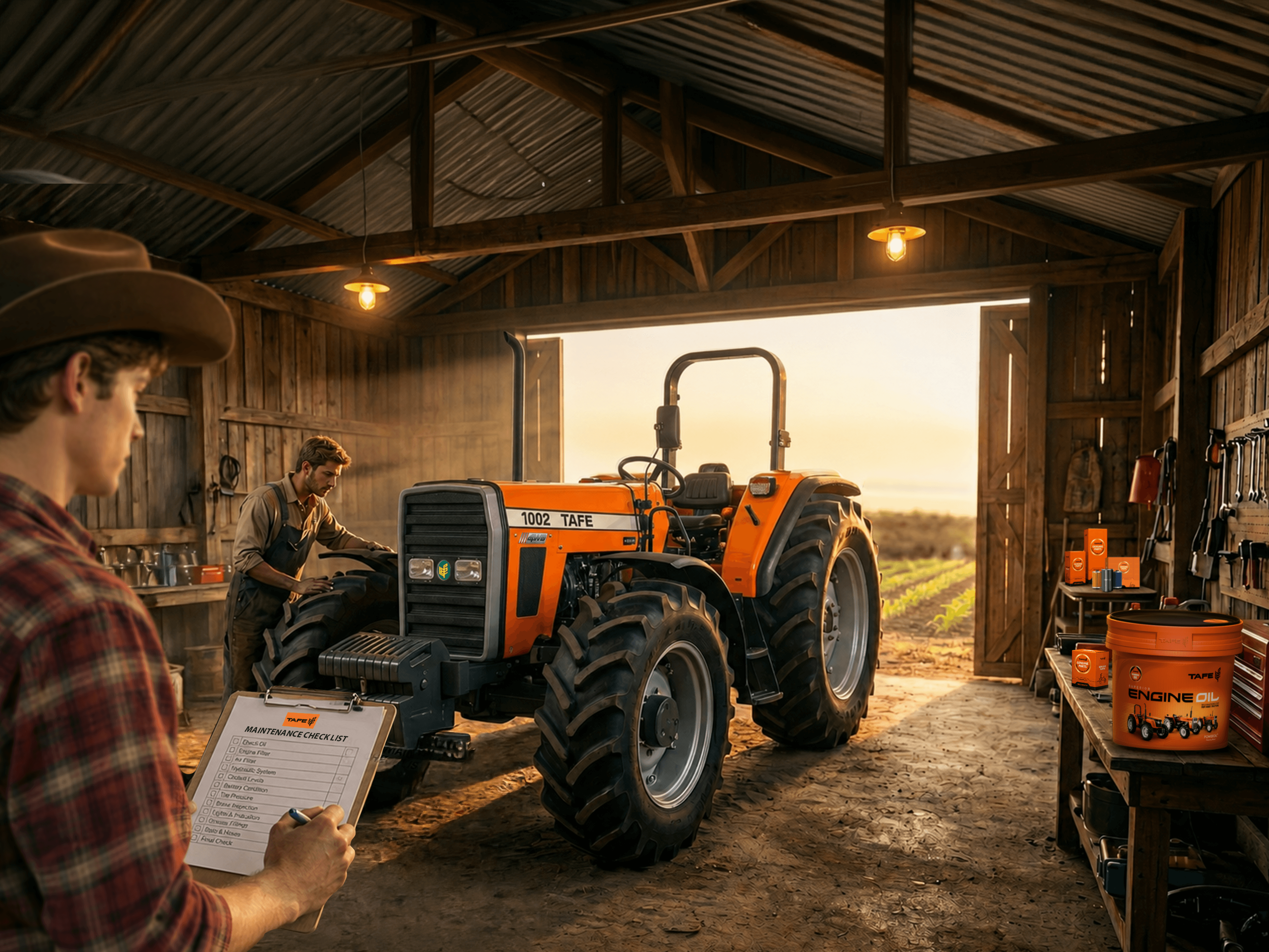
Because most attachments don't have engines of their own, buying used can be a great way to save money. Just look for cracks in the welds, bent frames, or worn-out tines. If the metal is solid and the gearboxes are oiled, a used plough can work just as well as a new one for half the price. Whichever you choose, running through a regular tractor maintenance checklist keeps every attachment performing at its best.
Long-term ROI and Savings
Think about the "per hour" cost. If an attachment saves you two hours of labour every week, it’s adding hundreds of hours back to your life over its decade-long lifespan. Plus, well-maintained implements hold their value remarkably well if you ever decide to upgrade.
Best Tractor Attachments for Your Needs
Must-have Attachments for Farmers
If I had to pick three for any farmer, it would be a front-end loader, a rotary cutter, and a set of pallet forks. With those three, you can handle 80% of general farm maintenance and material handling.
H3: Best Attachments for Efficiency Upgrade
For those looking to level up, a post-hole digger (auger) and a high-quality tiller are the winners. They take the two most back-breaking jobs, digging and tilling, and make them effortless.
Smart Buying Tips
Before you buy, research online and talk to your fellow farm owners. See what brands and types of attachments have survived your local soil conditions. And always buy slightly more "heavy-duty" than you think you need.
Take the time to choose right, maintain your gear, and you’ll see your farm’s productivity soar!